Orthodox baptism photography isn’t something I get to photograph often, so this one landed close to home, literally and otherwise. This ceremony took place at the Church of All Saints in Pine Bush, the church my family belongs to, the same space I’ve stood in countless times without a camera in my hands. Two children, one baptismal font, a quiet hour before Sunday liturgy, and a room filled with people who may not all practice the same way, but cared enough to be there. I walked in thinking I was there to document a rite, but came out realizing I’d witnessed something far more personal than most ceremonies I’ve photographed.
Table of Contents
I’m sharing this now very intentionally. Lately, my blog feed has leaned heavily into winter, snow, cold fingers, frozen waterfalls, and a few stories that live squarely in that season, including an upcoming maternity session surrounded by iced waterfalls and running water that doesn’t quite want to stop.
I’m stoked by those stories, but I felt the need to warm things up a bit, to balance all that cold with something inward and human. This baptism had been sitting with me for a while, quietly, and the timing finally felt right to share something driven less by conditions and more by closeness.
How This Came Together
The way this came together was simple, almost casual, which in hindsight feels fitting. Olga reached out a few days before Sunday. We hadn’t really met before, at least not properly. She may have attended before we found it around 2020, and only intersected a couple of times—not enough to start recognizing. Her message was straightforward, just asking if I might be available to shoot for that early window before the liturgy began. This was Orthodox baptism photography in its simplest form, no planning call, just being present and snapping a few.
Boy, did I overdeliver, as she shared afterwards…
There was another layer to it, too. Matushka Olga, the priest’s wife (same name), is also a photographer, a very good one, and under normal circumstances, she could have photographed the baptism herself. This time she couldn’t. She was asked to be a godmother, with hands busy in the way that matters more. So I stepped in, as a fill-in, and instead of a normal fee we agreed on a donation, which I later split evenly with the church. It felt right, balanced. Everyone involved was giving something.
Before the Liturgy
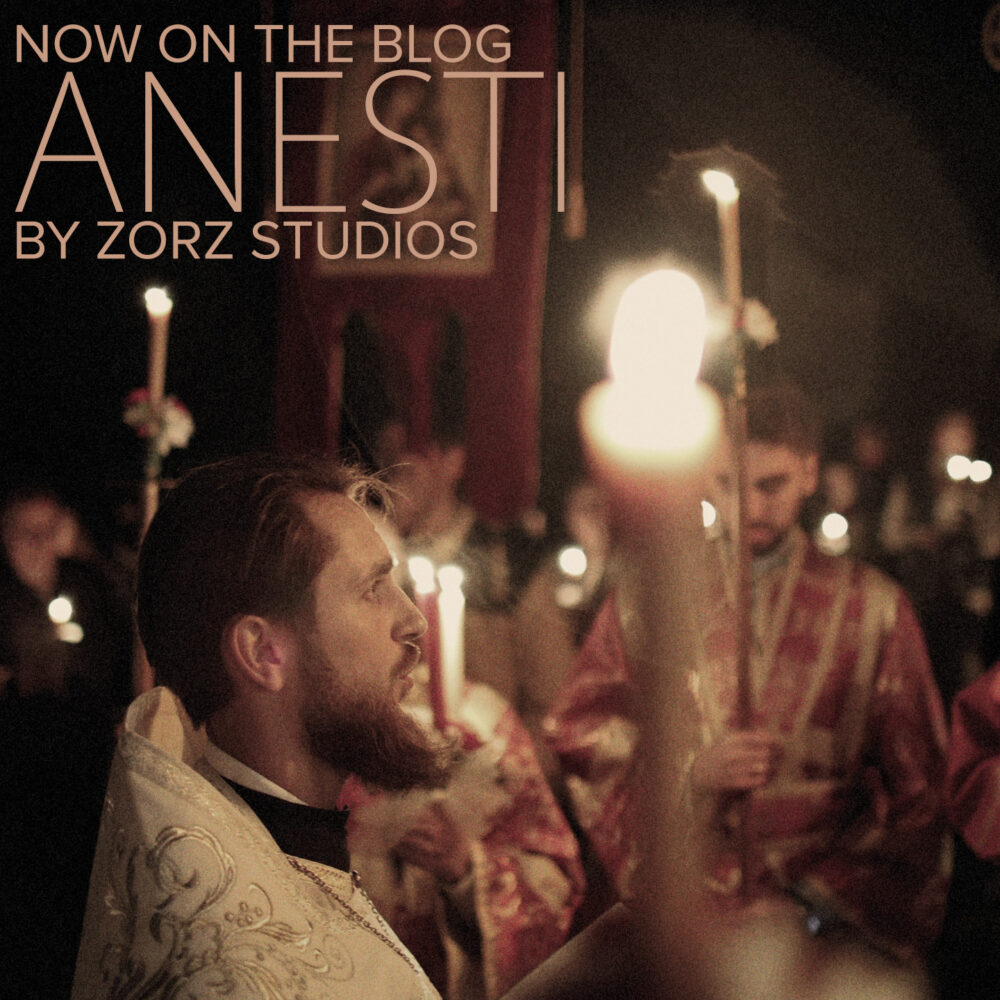
The ceremony took place before the regular Sunday service in December, which changes the feeling of the space completely. No crowd yet, no movement in and out, no background noise of people settling in. Just the church as it is when it’s still waking up. For me, that’s often where Orthodox baptism photography works best, when nothing is competing for attention. Candles already lit. Light coming in where it always does, but softer at that hour. A few voices, mostly quiet.
Father Artemiy led the service, moving from one step to the next, with clarity and care. As a side note, I rebuilt the church’s website and contribute to blogging there, but I’m cautious about describing Orthodox rituals too precisely in writing, especially when I’m not cross-checking every word with a service book. Yet, certain moments are unmistakable when you’re there, watching, listening, photographing.


The Part Everyone Asks About
The immersion is the moment people often ask about, especially those less familiar with Orthodox baptism. Yes, the children were submerged. Yes, they reacted. The water wasn’t cold, but it was unexpected, and that alone is enough at that age. They cried, briefly, honestly. Their parents were right there, hands ready, voices calm, not trying to stop the reaction, just meeting it. Comfort without panic.
What stayed with me wasn’t how intense that moment was, but how quickly it settled, not because anything was rushed, but because everyone stayed with it. A child startled, then comforted, then wrapped and warm again. That’s the part of Orthodox baptism photography that doesn’t tolerate shortcuts, you either stay present or you miss it.
After the baptism came the quieter, easily overlooked details. The cutting of hair, small strands placed carefully, rolled with candle wax into two tiny balls, then returned to the font. Chrismation, the marking with oil, the sealing gestures that don’t draw attention to themselves unless you’re watching closely.


Who Was There
Olga, the mother, was at the center of it all, without ever positioning herself there. She moved with a quiet certainty, attentive to her children, responsive to the priest, grounded in the space. There was nothing performative in her expressions, no sense of being watched. At times she looked almost saint-like in the most unforced way, the kind of presence you see in old paintings, where grace comes from stillness rather than pose. She also sings on the kliros, alongside my wife, and that same attentiveness carries over, the way she listens first, then moves, focused, tender, and entirely present in her role as both mother and woman.

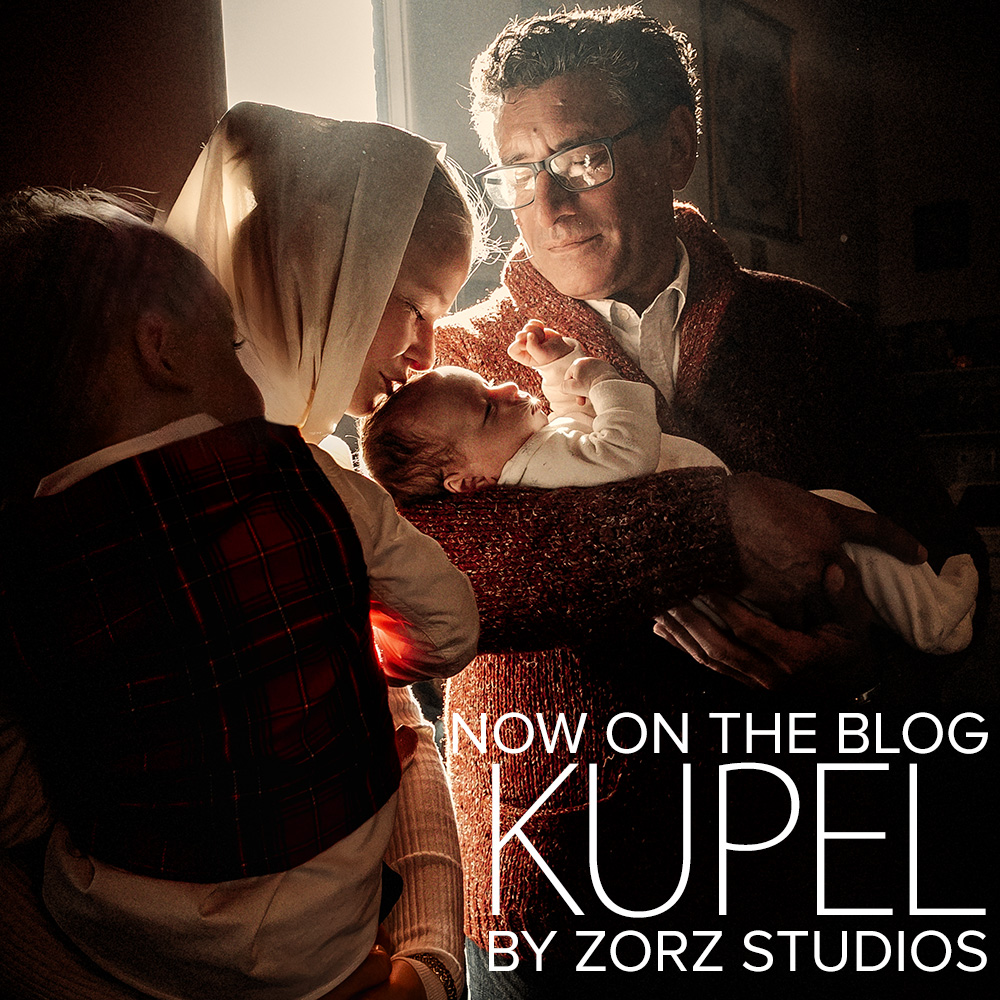
Her mother was there too, close by, watching with the particular attentiveness only a grandmother brings. Not hovering, not withdrawing, just present, eyes always on the children, hands ready if needed, with that quiet smile grandmothers seem to carry, part pride, part relief, and something softer that doesn’t need explaining.
The father stood close throughout. He isn’t Orthodox, and that mattered, not as an obstacle, but as context. He doesn’t speak Russian, and the service unfolded in Church Slavonic, so a lot of what was being said and sung simply wasn’t his language, and the same for his family and friends who came with him. He wasn’t performing familiarity, and he wasn’t distant either. He was there because this mattered to their family, to his wife, to their children. There’s a particular kind of respect in that, one that doesn’t need to announce itself.
The godparents played their roles simply: two godfathers, one for each child, friends of the father, present, attentive, following along when guided. Matushka Olga stood as godmother to both children, present in a different way than usual, not observing nor assisting, but participating fully, hands busy.
From a photographic perspective, this hour asked for attention. The strongest images came from moments that didn’t announce themselves. A hand adjusting a towel. A parent’s face softening once the crying stopped. A child, newly wrapped, blinking slowly, settling back into the world.


Two frames stood out when I reviewed the set later. The light fell in a way I couldn’t have predicted or arranged, and honestly wouldn’t try to. Sometimes a scene is simply presented to you, whether by chance, by timing, or by something else entirely… divine, if you will. I’ve seen that happen across all kinds of work over the years, different genres, different places, moments where I used to shrug and call myself “just lucky”. Lately, I’m not so sure it’s only that, as it happens too often for mere luck.


Why Orthodox Baptism Photography Felt Different This Time
I’ve photographed baptisms before. Different churches, different families, different dynamics. Orthodox baptism photography can look similar on the surface, but the feeling shifts every time. For reasons I still can’t fully articulate, this one stayed with me in a way the others didn’t. Maybe because it was my church. Maybe because I knew some of the people involved, even if only in passing. Maybe because I wasn’t hired in the usual way, and that shifted how I approached it. Or maybe because the tone in the room was simply what it was, and I happened to be receptive to it that morning.
I left with a lingering feeling that I’d been allowed into something private, not secret, but personal in the truest sense. Something chosen, not for show, but for meaning. That doesn’t happen often, even in spaces designed for it. As mentioned, Olga told me that the coverage was nothing like what she’d expected.
If you’re looking for Orthodox baptism photography, you’ll find plenty of examples online. What I hope this set shows instead is what happens when people bring care into the room, even if they arrive from different places, even if they practice differently, or not at all. The ritual holds them all the same. That, more than anything technical, is what I look for.
And sometimes, if you’re paying attention, it leaves a mark on you too.